 ®
® TRIBeam.
A Q-switched laser for the pigment problems heat-based devices struggle with — gentle laser toning for melasma and dark spots, carbon laser facials, and honest, multi-session tattoo removal.
Pigment shattered, skin left alone.
TriBeam is a Q-switched laser — a class of laser that fires in ultra-short, high-peak-power pulses. The pulse is over before heat can spread into surrounding tissue, so pigment particles absorb the energy and shatter photoacoustically while the skin around them stays intact. Your body then clears the fragmented pigment gradually over the weeks that follow.
That mechanism is why Q-switched lasers hold a specific place in a laser practice: they can treat pigment that heat-based devices have to approach carefully — most importantly melasma, which is famously heat-reactive — and they are the workhorse technology behind laser tattoo removal.
At Reviv, TriBeam works alongside our other devices — BBL Heroic for sun damage and redness, Halo and MOXI for resurfacing, Sylfirm X for RF microneedling — so the recommendation you get at consultation is the right device for your skin, not the only device we own.
Four protocols, one laser.
Every TriBeam plan starts with a face-to-face skin assessment — pigment history, skin tone, what triggered the pigment, and what we're trying to change. The protocol follows from that, not from a menu default:
- Laser toning melasma + tone
- Gentle, low-energy full-face passes repeated over a series. Breaks pigment down gradually without the heat that aggravates melasma. Little to no downtime per session.
- Spot treatment sun + age spots
- Targeted energy on discrete brown spots. Treated spots darken, then flake away over about a week.
- Carbon laser facial brightening
- A carbon lotion layer vaporized off the skin by the laser — lifts oil and surface debris, refines pores, brightens. No downtime; popular before events.
- Tattoo removal multi-session
- Higher-energy pulses shatter tattoo ink so your body can clear it. An honest, extended course — sessions spaced weeks apart, lightening tracked with photos each round.
For melasma specifically, the laser is one part of the plan — strict daily SPF and medical-grade skincare carry the result between sessions and keep pigment from rebounding. We'll be straight with you about that at consultation: melasma is managed over time, not erased in a visit.
Six uses, one device.
At consultation we'll identify which of these applies to your skin — and whether TriBeam, another device, or a sequence is the honest recommendation.
Melasma
Low-energy "laser toning" passes break pigment down gradually without the heat that can make melasma worse.
Sun + age spots
Discrete brown spots on the face, chest, and hands — targeted spot treatment over a short series.
Post-inflammatory pigment
Dark marks left behind after acne, injury, or irritation.
Uneven tone + dullness
Overall brightening across the full face — the same toning protocol, applied evenly.
Carbon laser facial
A carbon lotion layer vaporized by the laser lifts surface debris and tightens pores — the "Hollywood facial."
Tattoo removal
Ultra-short pulses shatter tattoo ink into particles your body clears over a multi-session course.
TriBeam, BBL, or Sylfirm X — honestly.
Reviv runs several devices that touch pigment, and they are not interchangeable. BBL Heroic (photofacial) is our workhorse for sun damage, redness, and vascular concerns — but it delivers light and heat, which melasma can react badly to. Halo and MOXI (resurfacing) rebuild surface texture and tone with real downtime. Sylfirm X (RF microneedling) uses no light energy at all — the safest route for pigment-prone and darker skin tones. TriBeam sits in the gap the others leave: heat-cautious pigment work — melasma toning, spot clearance, tattoo ink.
Which one is right depends on your pigment's cause, your skin tone, and your downtime tolerance. That's the first decision of the consultation — and sometimes the honest answer is a sequence across more than one device.
Dark spots Sun spots Laser toning Carbon facial Even tone Tattoo removal Pigment Melasma Dark spots Sun spots Laser toning Carbon facial Even tone Tattoo removal Pigment Melasma Dark spots Sun spots Laser toning Carbon facial Even tone Tattoo removal Pigment What to know, in four lines.
- 01
TriBeam works in ultra-short Q-switched pulses. The pulse is faster than heat can spread, so pigment particles shatter photoacoustically while the surrounding skin stays intact — that's what makes it gentle enough for melasma-prone skin.
- 02
Melasma is managed, not cured. Laser toning fades it over a series, but sun, heat, and hormones can bring it back — which is why the plan always includes strict SPF and usually medical-grade skincare alongside the laser.
- 03
Tattoo removal is a long game. Most tattoos need an extended multi-session course spaced weeks apart, and density, ink color, and depth all change the count. We'll give you an honest session estimate at consultation — not a lowball.
- 04
Pricing starts at $250 per session, with series plans quoted alongside single sessions — in writing at consultation, before any treatment begins.
From your first session, through the series.
Numbing cream for tattoo work and spot treatments; toning passes are usually comfortable without it. Sessions run 15–30 minutes. Skin may look flushed for a few hours afterward.
Toning: little to no visible downtime — SPF and gentle skincare. Spot treatments: treated spots darken, then flake off over about a week. Tattoo sites: frosting fades in minutes; tenderness and possible blistering as the area heals — follow the written aftercare.
Pigment continues to fade between sessions as your body clears the shattered particles. We space sessions to let that clearance finish before treating again.
Melasma and tone improve gradually across the course; tattoos lighten step by step each round. Standardized photos at each visit track the change honestly.
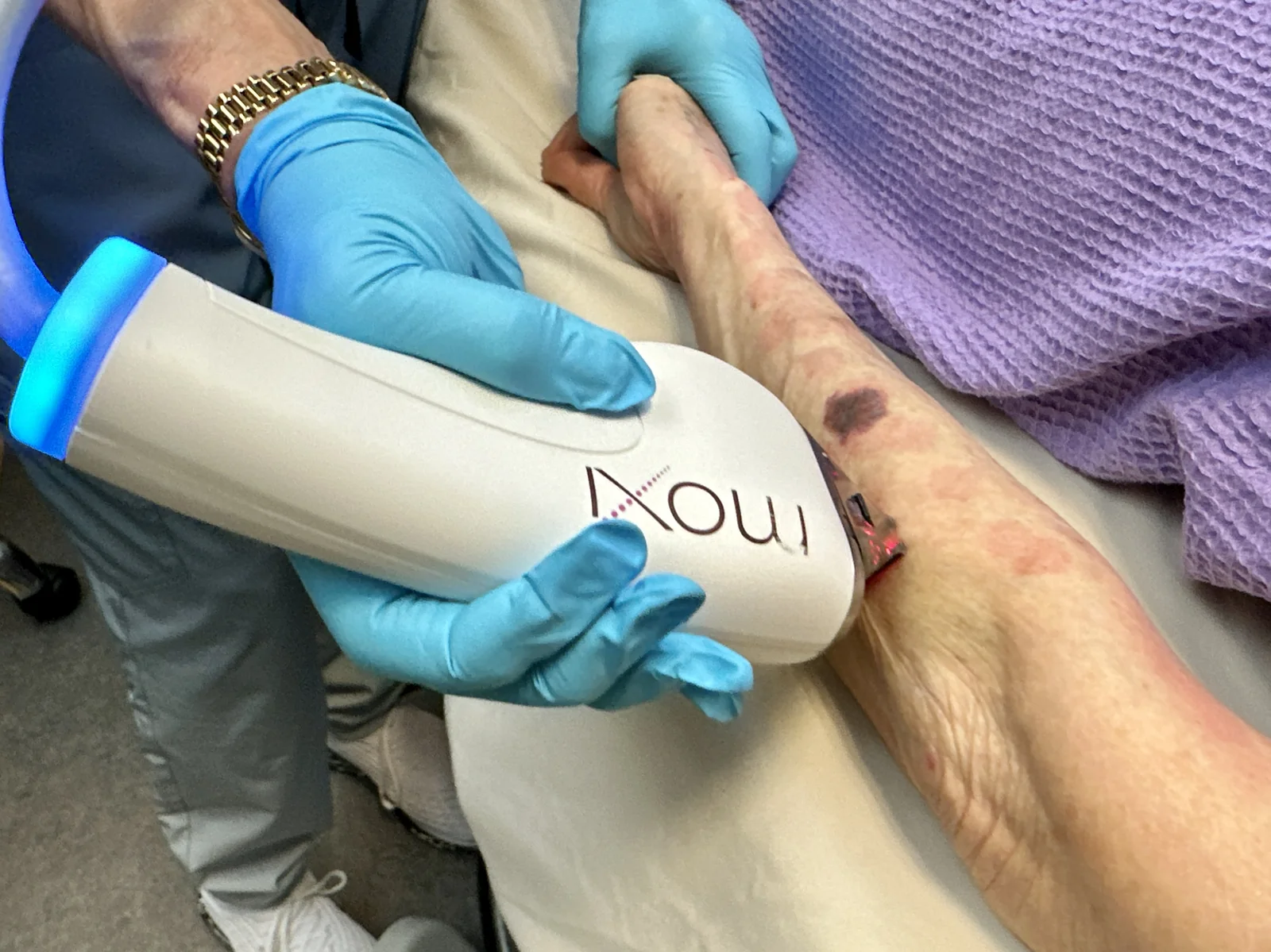
Caring for your skin after laser toning.
- Limit Sun Exposure
- Avoid direct sun exposure and tanning (including self-tanners) for at least 4-6 weeks prior to your treatment. Sunburned or tanned skin can increase the risk of side effects and reduce the effectiveness of the laser.
- Discontinue Blood-Thinning Medications
- Cease using blood-thinning medications and supplements such as aspirin, ibuprofen, fish oil, vitamin E, and herbal supplements like garlic and ginseng at least one week before the procedure. Always consult with your doctor before stopping any prescribed medication.
- Stop Using Certain Skincare Products
- Refrain from using retinoids, alpha hydroxy acids (AHAs), beta hydroxy acids (BHAs), and other exfoliating or irritating skincare products on the treatment area for at least one week prior to your appointment.
- Stay Hydrated
- Drink plenty of water in the days leading up to your treatment to keep your skin well-hydrated and healthy, which can aid in recovery.
- Avoid Alcohol
- Refrain from consuming alcohol for at least 24-48 hours before your appointment as it can increase the risk of bruising and swelling.
- Cleanse Your Skin
- Arrive at your appointment with a clean face, free from makeup, lotions, or sunscreen. This ensures the best results from the laser treatment.
- Wear Comfortable Clothing
- Choose loose, comfortable clothing on the day of your appointment to avoid irritation of the treatment area.
- Avoid Sun Exposure
- Avoid direct sun exposure and tanning (including self-tanners) for at least 4-6 weeks after your treatment. Use a high-SPF sunscreen to protect the treated area from UV damage.
- Apply Cool Compresses
- Use cool compresses or ice packs on the treated area to reduce swelling and discomfort. Apply intermittently for 10-15 minutes at a time.
- Avoid Strenuous Activity
- Refrain from vigorous exercise, heavy lifting, and activities that cause excessive sweating for at least 24-48 hours post-treatment.
- Practice Gentle Skincare
- Cleanse your skin gently using a mild, non-irritating cleanser. Avoid harsh skincare products and exfoliants for at least 48 hours to allow your skin to heal properly.
- Skip Hot Showers and Baths
- Avoid hot showers, baths, saunas, and hot tubs for at least 24-48 hours post-treatment to prevent increased redness and irritation.
- Monitor for Adverse Reactions
- Some redness, swelling, and mild discomfort are normal after treatment. However, if you experience severe pain, blistering, or other concerning symptoms, contact your medical provider immediately.
- Follow-Up Care
- Schedule and attend follow-up appointments as recommended by your provider to monitor your progress and ensure optimal results. Your provider may suggest additional treatments or skincare products to enhance the results.
You'll receive these TriBeam instructions in writing before your visit and we review them with you in person. Questions during recovery? Call (650) 697-3339 — we answer same-day. See the aftercare hub for the universal recovery principles and when to call us.
Caring for the site after tattoo removal.
- Limit Sun Exposure
- Avoid direct sun exposure and tanning (including self-tanners) for at least 4-6 weeks prior to your treatment. Sunburned or tanned skin can increase the risk of side effects and reduce the effectiveness of the laser.
- Discontinue Blood-Thinning Medications
- Cease using blood-thinning medications and supplements such as aspirin, ibuprofen, fish oil, vitamin E, and herbal supplements like garlic and ginseng at least one week before the procedure. Always consult with your doctor before stopping any prescribed medication.
- Stop Using Certain Skincare Products
- Refrain from using retinoids, alpha hydroxy acids (AHAs), beta hydroxy acids (BHAs), and other exfoliating or irritating skincare products on the treatment area for at least one week prior to your appointment.
- Stay Hydrated
- Drink plenty of water in the days leading up to your treatment to keep your skin well-hydrated and healthy, which can aid in recovery.
- Avoid Alcohol
- Refrain from consuming alcohol for at least 24-48 hours before your appointment as it can increase the risk of bruising and swelling.
- Cleanse Your Skin
- Arrive at your appointment with a clean face, free from makeup, lotions, or sunscreen. This ensures the best results from the laser treatment.
- Wear Comfortable Clothing
- Choose loose, comfortable clothing on the day of your appointment to avoid irritation of the treatment area.
- Avoid Sun Exposure
- Avoid direct sun exposure and tanning (including self-tanners) for at least 4-6 weeks after your treatment. Use a high-SPF sunscreen to protect the treated area from UV damage.
- Apply Cool Compresses
- Use cool compresses or ice packs on the treated area to reduce swelling and discomfort. Apply intermittently for 10-15 minutes at a time.
- Keep the Area Clean and Dry
- Gently cleanse the treated area with mild soap and water. Pat dry with a clean towel and avoid any harsh or abrasive products for at least 48 hours.
- Avoid Strenuous Activities
- Refrain from vigorous exercise, heavy lifting, and activities that cause excessive sweating for at least 24-48 hours after treatment to minimize irritation and swelling.
- Avoid Hot Water
- Steer clear of hot showers, baths, saunas, and hot tubs for at least 24-48 hours post-treatment to prevent increased redness and irritation.
- Do Not Pick or Scratch
- Avoid picking, scratching, or rubbing the treated area. Allow any scabs or blisters to heal naturally to avoid infection and scarring.
- Monitor for Side Effects
- Some redness, swelling, and blistering are normal after treatment. However, if you experience severe pain, signs of infection, or other concerning symptoms, contact your medical provider immediately.
You'll receive these tattoo-removal instructions in writing before your visit and we review them with you in person. Questions during recovery? Call (650) 697-3339 — we answer same-day. See the aftercare hub for the universal recovery principles and when to call us.
What it actually costs.
TriBeam at Reviv starts at $250 per session. The full quote depends on the protocol — a toning series, a discrete spot treatment, a carbon facial, and a tattoo-removal course are each priced differently, and tattoo quotes depend on size, ink density, and color. We quote in writing at consultation — single sessions and series plans side by side — before any treatment begins.
Who it's for — and who it isn't.
- Patients with melasma or stubborn pigment who need a gentle, heat-cautious laser approach
- Patients with discrete sun or age spots on the face, chest, or hands
- Patients who want an unwanted tattoo lightened or removed and can commit to a multi-session course
- Patients looking for a no-downtime brightening treatment (laser toning, carbon facial) before an event
- Pregnant or breastfeeding patients
- Patients with an active tan or sunburn in the treatment area — sun exposure must stop 4–6 weeks before treatment
- Patients with active infection or open skin in the treatment area
- Patients on medications that make skin light-sensitive — we review this at consultation
Your TriBeam team.
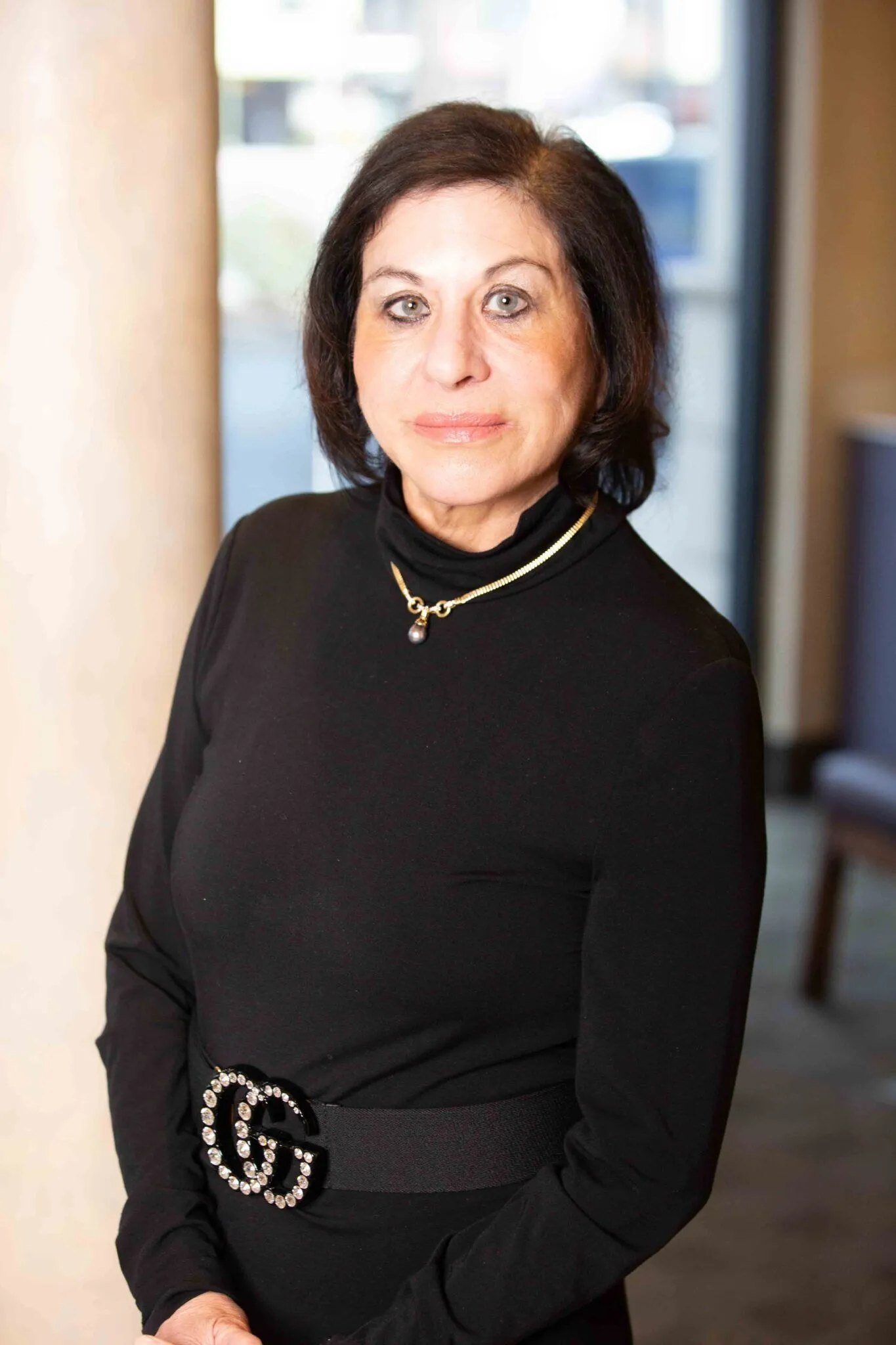
Dr. Gayle Misle, MD
Founder of Reviv Med Spa & Laser Treatment. Performs TriBeam treatments and reviews every protocol — pigment-sensitive cases like melasma get her direct oversight on settings.

Megan Sosnick, RN
Aesthetic Nurse and Practice Manager. Performs TriBeam sessions, manages your aftercare, and tracks standardized progress photos across the series.
What people say about Reviv.
I've been coming here for apx 2+ years. I bought a tattoo removal package… My tattoo was dark and apx 10x4 inches on my ribs. It can take many sessions to get a tattoo fully removed. My tattoo specifically is 50% lightened. Numbing cream is always used.… Staff is always very friendly, warming, and helpful.
Frequently asked.
Why not just use IPL or BBL for melasma?
Light-and-heat devices like IPL/BBL are excellent for sun damage and vascular concerns, but melasma is heat-reactive — warming it can make the pigment rebound darker. TriBeam's Q-switched pulses are faster than heat can spread, which is why laser toning is a standard melasma approach. At consultation we'll tell you honestly which of our devices fits your pigment — sometimes it's TriBeam, sometimes BBL, sometimes Sylfirm X, often a sequence.
Is melasma curable?
No — and any practice that promises a cure is overselling. Melasma is a chronic, recurrence-prone condition driven by sun, heat, and hormones. What treatment does is fade it substantially and give you a maintenance plan (strict SPF, medical-grade skincare, periodic touch-up sessions) that keeps it faded.
What is laser toning?
A series of gentle, low-energy laser passes across the full face. Each pass breaks down a little more pigment without injuring the surface, so there's little to no downtime. It builds brightness gradually over the series rather than in one dramatic session.
What is a carbon laser facial?
A thin layer of medical carbon lotion is applied to the skin, and the laser vaporizes it on contact — lifting oil, debris, and dead surface cells with it while stimulating the pores underneath. It's a no-downtime brightening treatment, popular before events.
How many sessions does tattoo removal take?
More than most people expect — typically an extended course spaced about 6–8 weeks apart, and dense, professional, or colorful tattoos sit at the higher end. Ink color, depth, and location all matter. We give you a realistic range at consultation and track lightening with photos each round.
Does tattoo removal hurt?
It's commonly described as a hot rubber-band snap. We use topical numbing cream, and sessions on most tattoos run just minutes of actual laser time. The site can feel like a sunburn for a few days afterward.
Is TriBeam safe for darker skin tones?
Q-switched laser treatment can be performed across a wide range of skin tones with the right wavelength and conservative settings — but pigment-prone skin needs a careful, honest assessment first. In some cases we'll recommend Sylfirm X (radiofrequency, no light energy) as the safer route. That call gets made at consultation, not after a reaction.
How much does TriBeam cost?
TriBeam starts at $250 per session. The full quote depends on what we're treating — a toning series, a spot treatment, a carbon facial, or a tattoo course are each priced differently, and tattoo quotes depend on size, ink density, and color. We quote in writing at consultation, single sessions and series plans, before any treatment begins.
Patients come to us from across the peninsula.
Reviv Med Spa is at 31 S El Camino Real in Millbrae, California — easy to reach from across the Bay Area peninsula. Patients come to us from Burlingame, San Mateo, Hillsborough, San Bruno, Foster City, and the broader peninsula including Atherton, Belmont, Brisbane, Daly City, Half Moon Bay, Menlo Park, Pacifica, Palo Alto, Portola Valley, Redwood City, San Carlos, and South San Francisco. Off the 101, just south of SFO. Free parking on site.